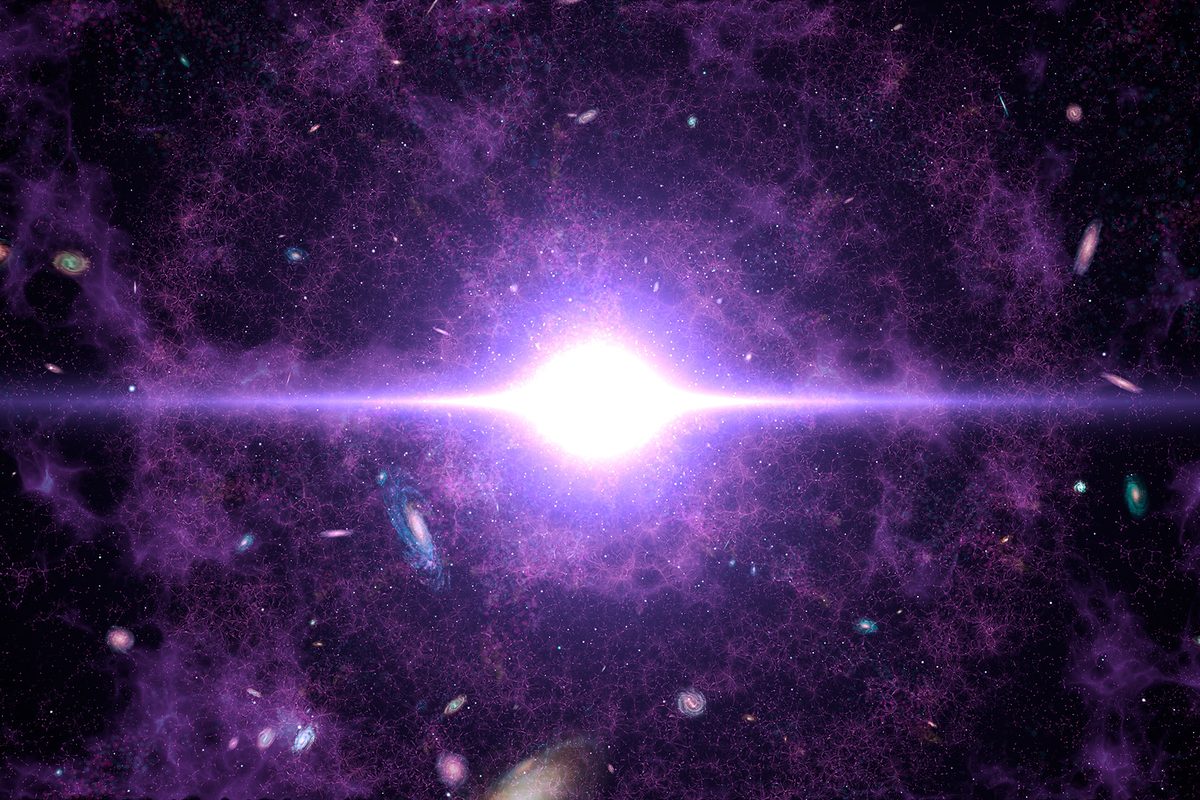
We might finally know what came before the Big Bang | BBC Science Focus Magazine
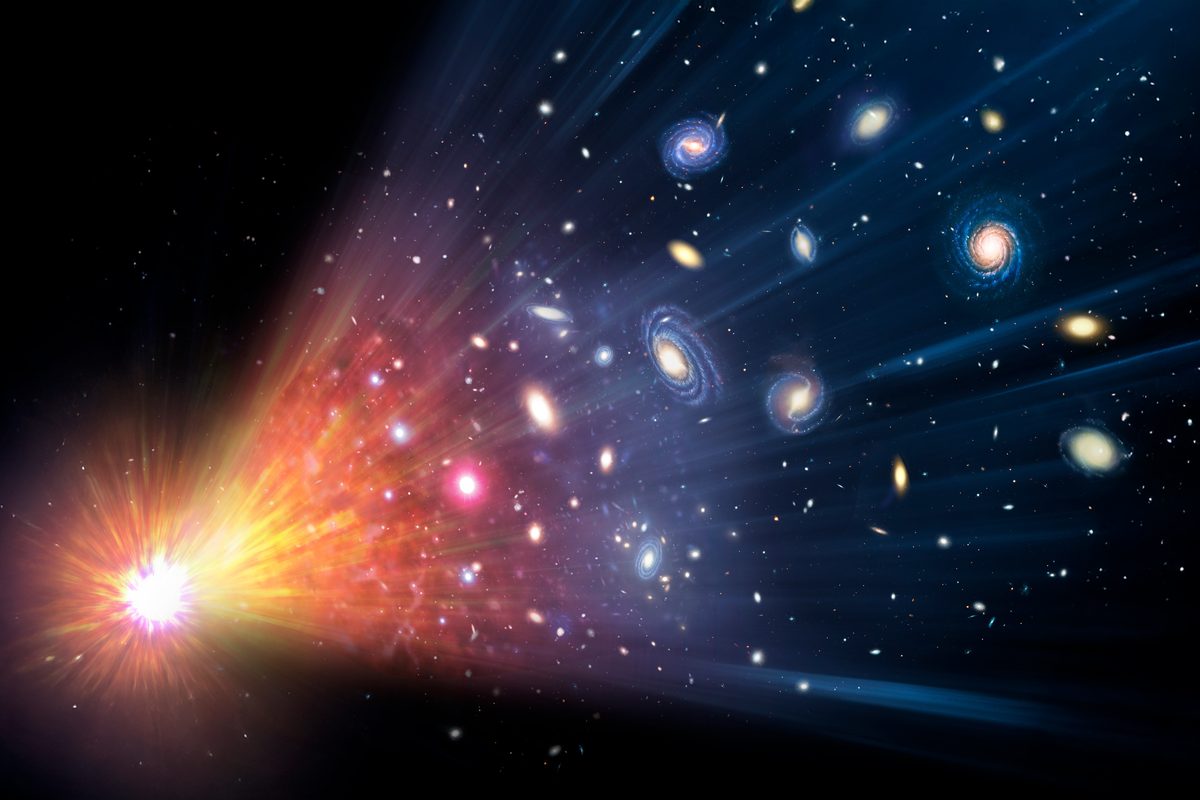
The Universe may not have begun with a Big Bang, but instead with a Big Bounce, according to a new theory about how the Universe expands
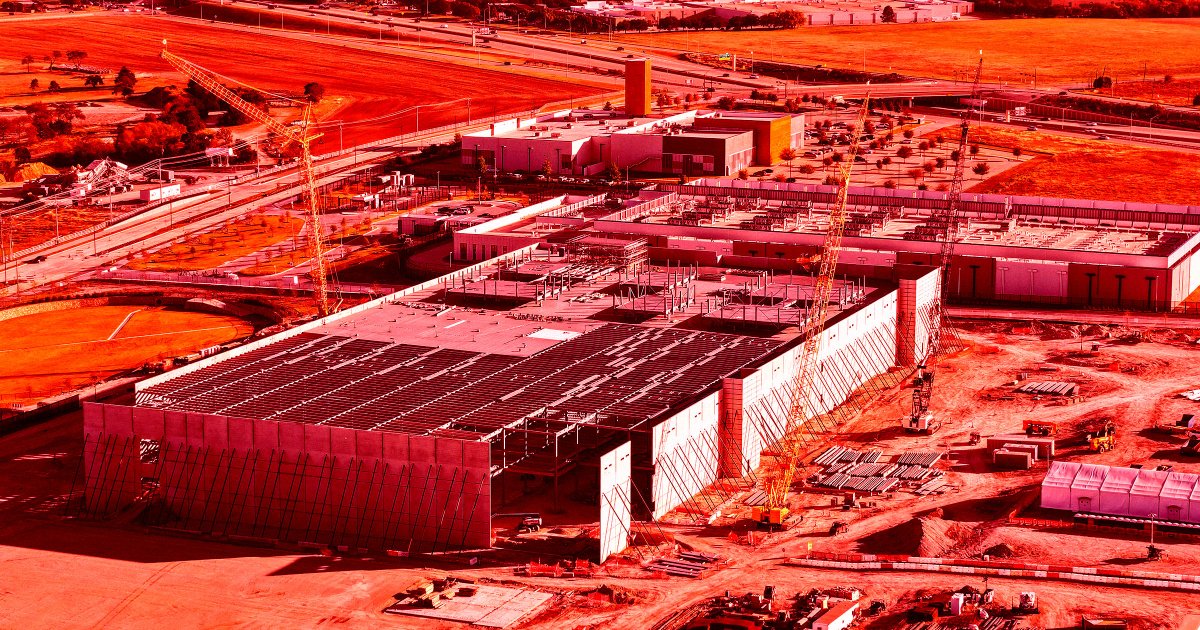
New Data Centers in the US Set to Wipe Out 15 Years of Greenhouse Gas Reductions
If the AI industry has its way, US carbon emissions will rise 42 percent by 2030, a new Sierra Club analysis found.
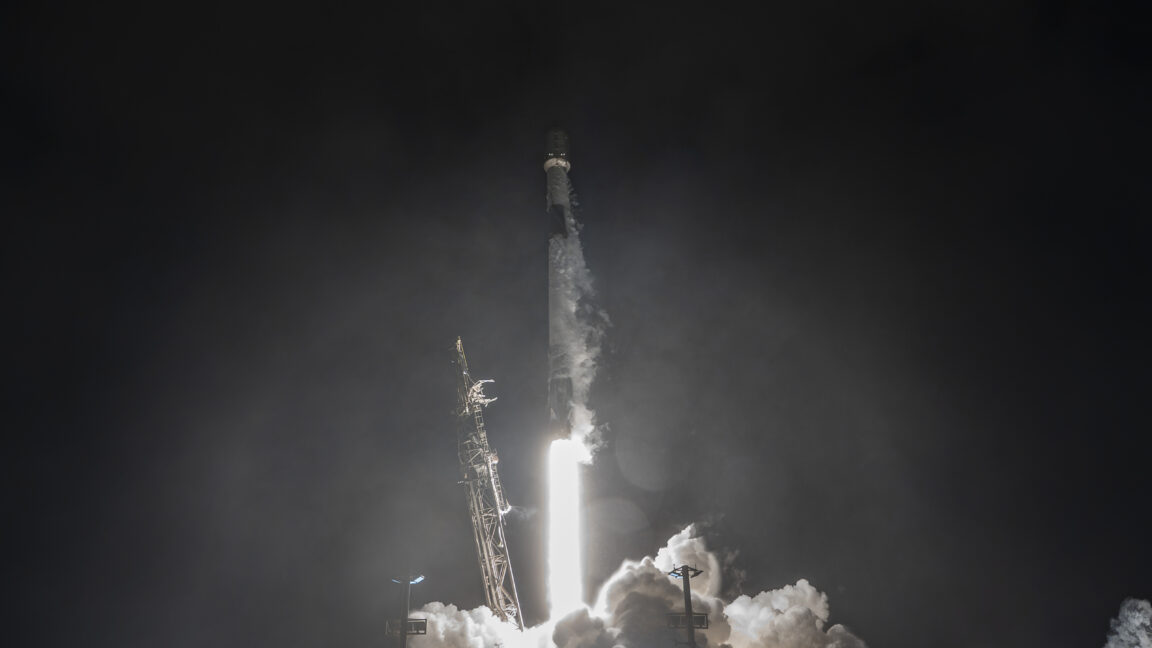
NASA hopes the commercial space industry can help save Hubble
The Hubble Space Telescope will come crashing to Earth sometime in the 2030s without a boost.
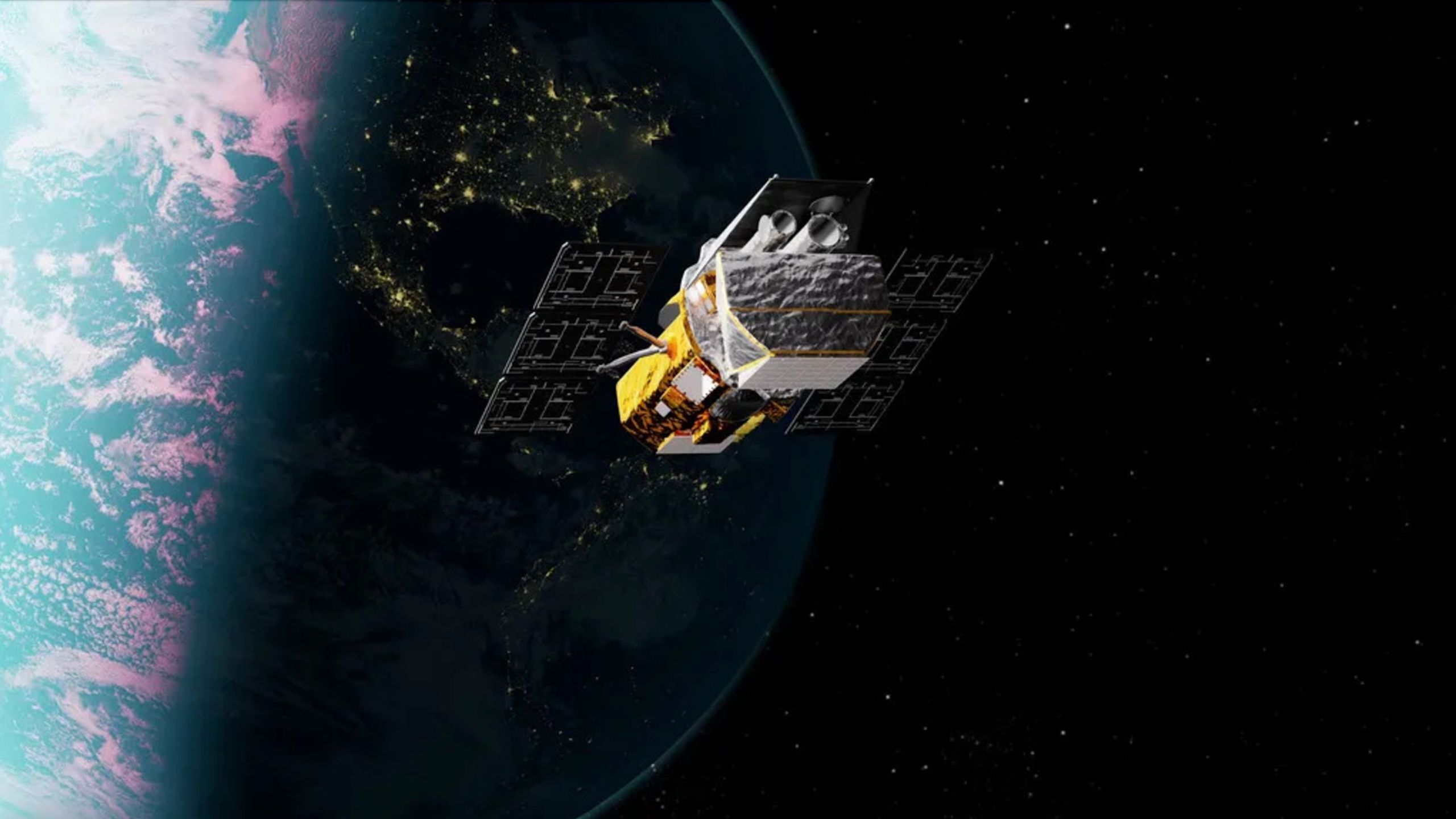
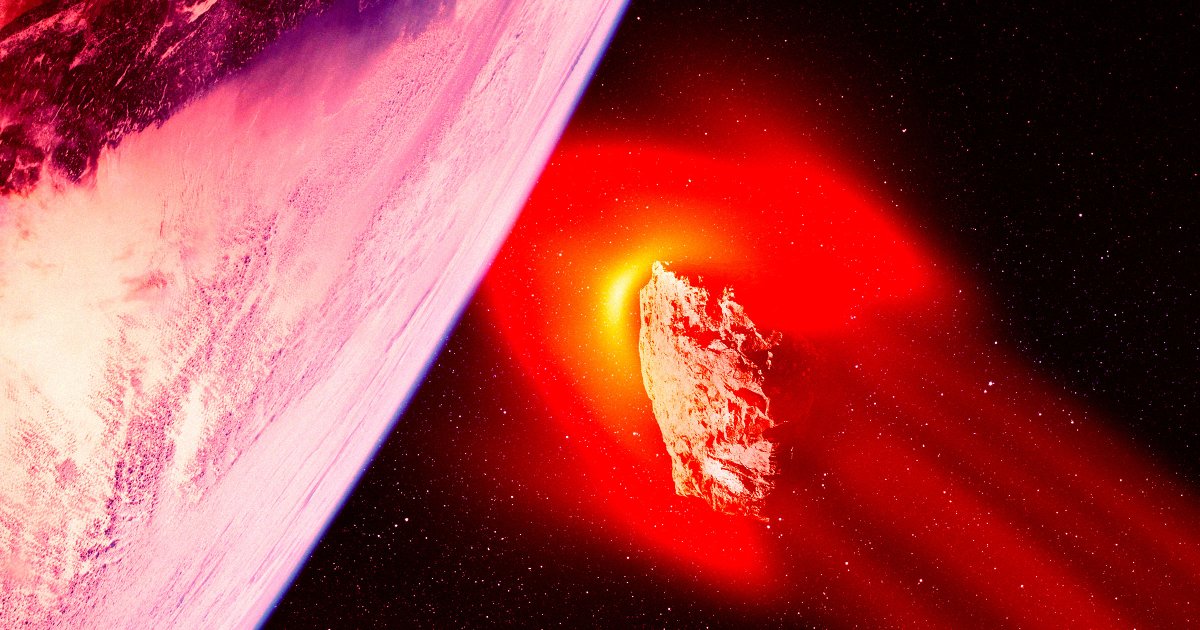
NASA's Swift space telescope is about to crash to Earth. Where will it fall?
Swift is expected to crash back to Earth in the next few days.
A Newly Discovered Trail of Cosmic Debris Illustrates How the End of the Solar System Could Look
A dying star 1,600 light-years from Earth is surrounded by two rings of gas and dust that astronomers believe are the remnants of the planetary bodies it once hosted.
5 bright planets to spot in November — when and where to see them
From a close encounter between Mars and Jupiter to dazzling Venus and elusive Mercury, November offers plenty of planetary highlights. Here’s when and where to look.
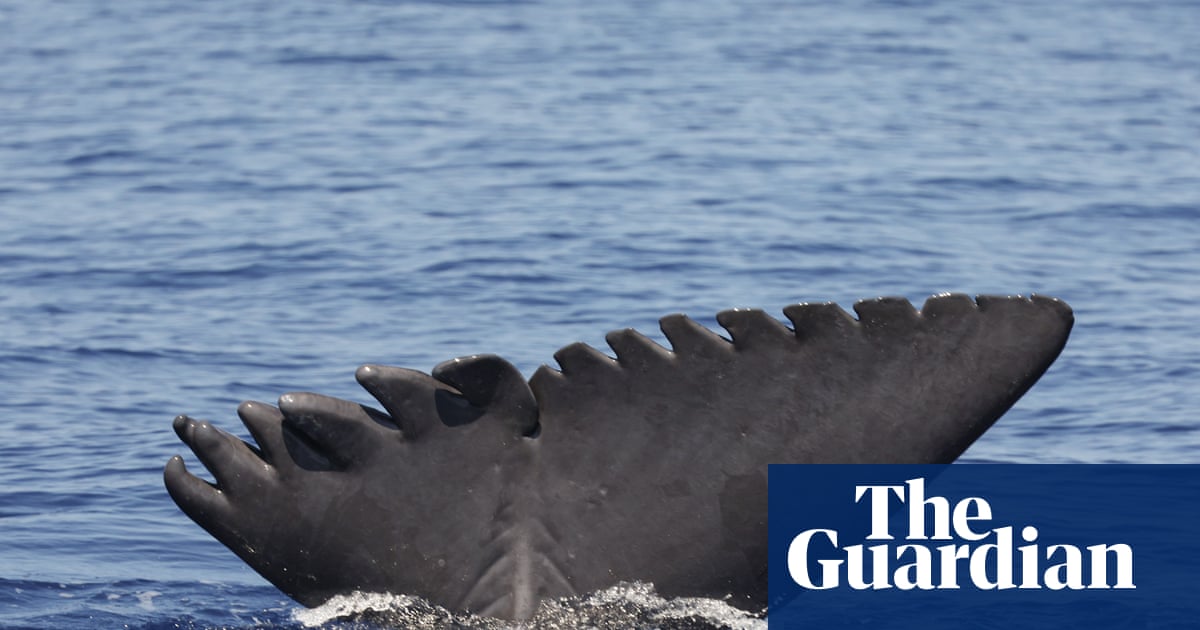
‘They have schedules to follow’: how fast ferries can threaten endangered whales in the Mediterranean
A Guardian investigation has found that despite a recommendation to slow down, leading shipping companies continue to travel above advised speeds in a key habitat for cetaceans
Fish pay attention to one influential neighbour in virtual reality | New Scientist
Observing interactions between real and virtual rummy-nose tetra fish shows that, within a group, each individual takes cues from only one influential neighbour
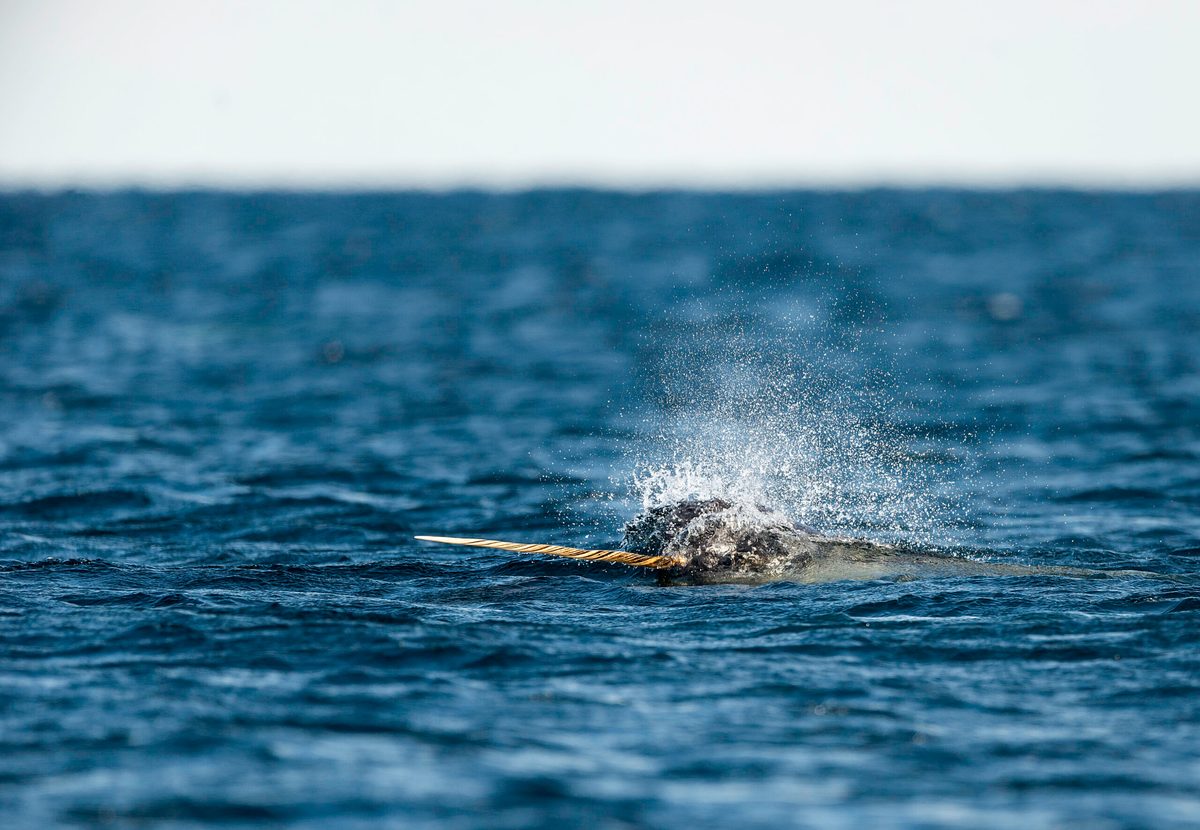
At 2 metres long this is one heck of a tooth – and weirdly it's also the creature's only tooth | Discover Wildlife
Discover the fascinating origins, functions, and significance of this iconic marine appendage – the narhwal’s tusk
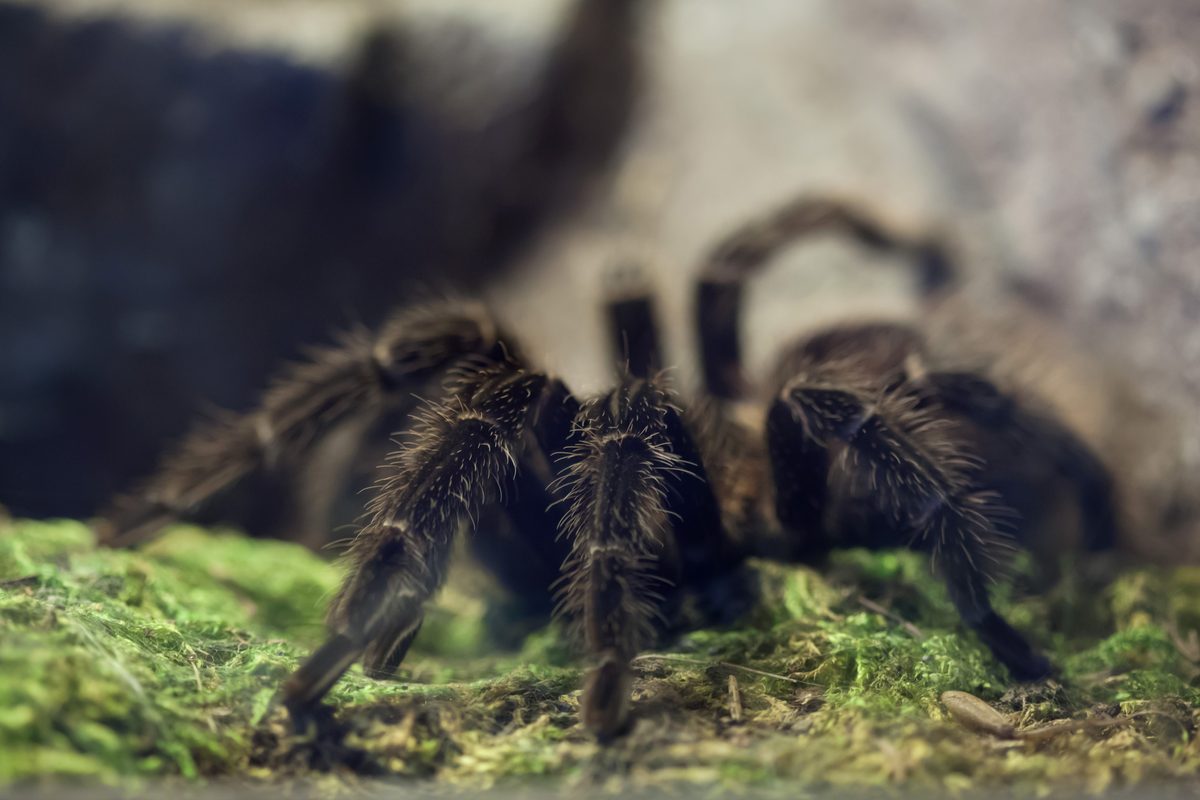
10 biggest, most gigantic spiders in the world: Discover terrifying arachnids as big as dinner plates | Discover Wildlife
Meet the ten largest spiders in the world – you wouldn’t want to see these scuttling across your carpet!
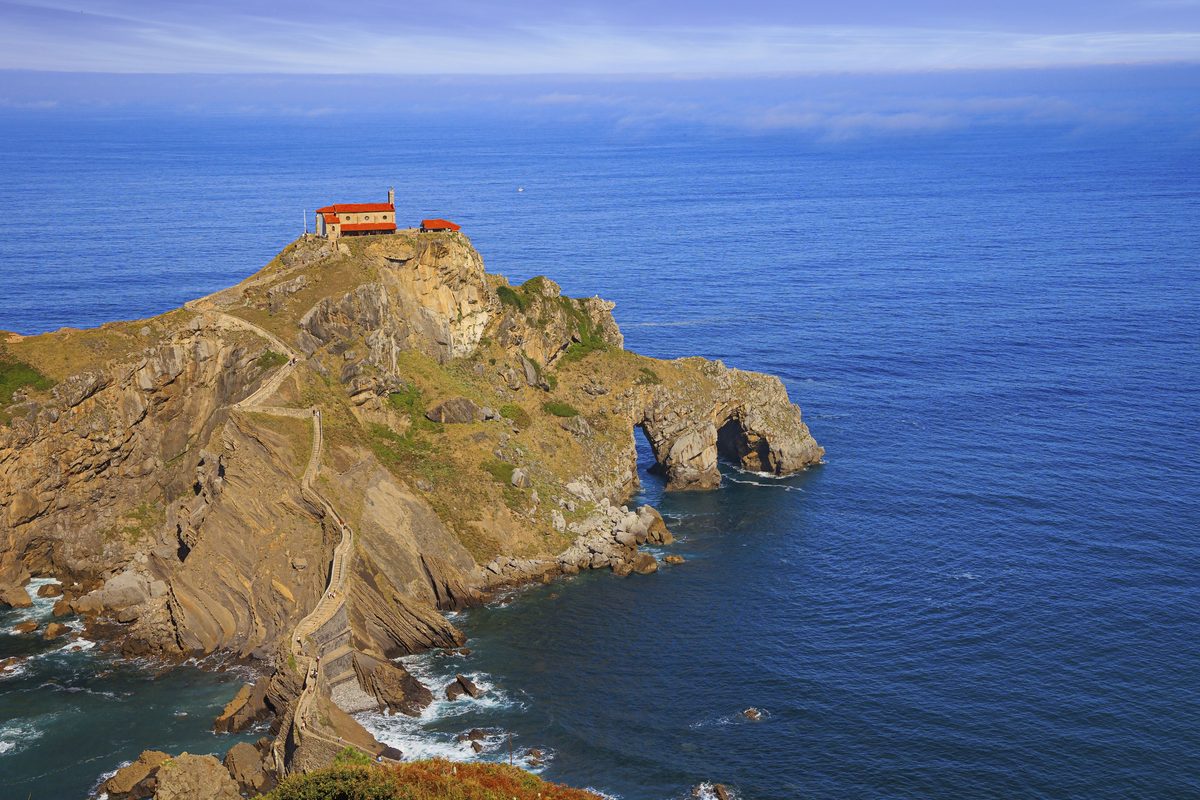
It’s almost the size of the UK, incredibly dangerous and deep enough to swallow Mount Fuji and visited by one third of the world’s whales and dolphins | Discover Wildlife
The Bay of Biscay is known for being incredibly dangerous. Although its waters can be flat and calm, violent storms can rage.
Chemists create disappearing tattoos: here’s the science behind how they work
Different types of light are used to switch the tattoos on and off.
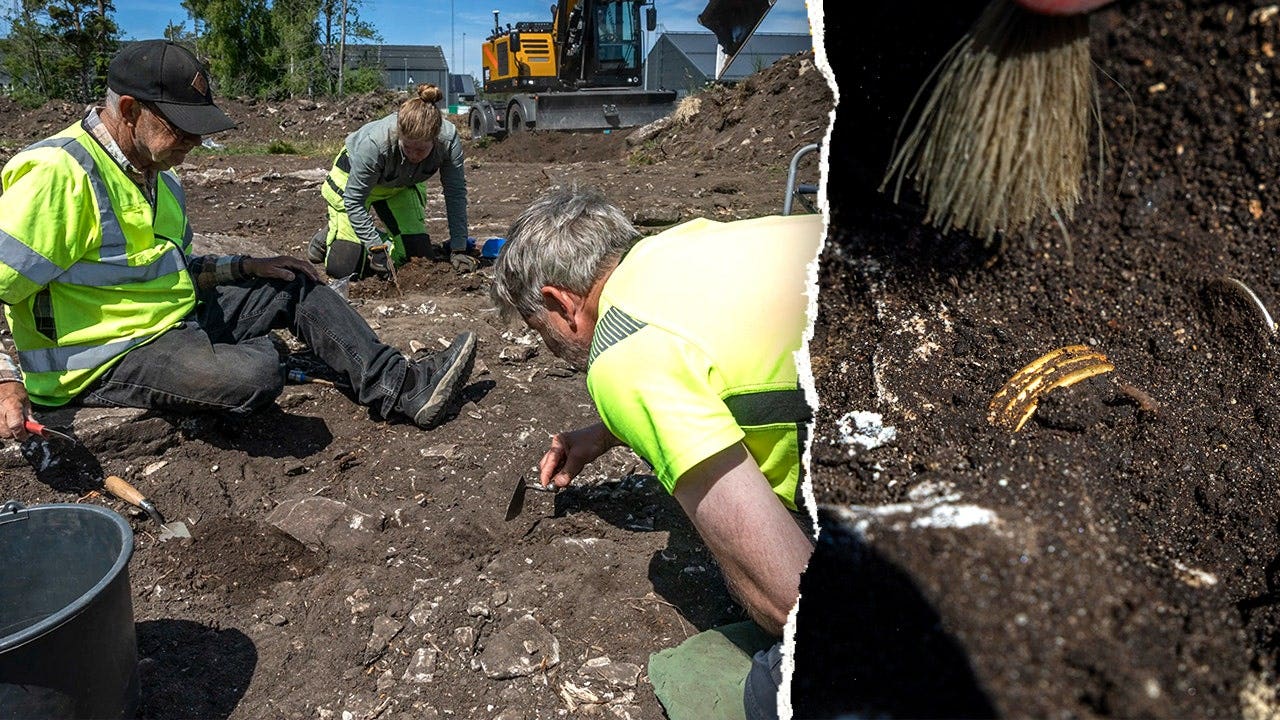
Ancient Roman treasure unearthed at military base, two coins aren't what they seem
The Roman coin hoard on Gotland features five emperors and four empresses from the second century A.D., but two coins may be ancient fakes from Ukraine.
Mummified remains removed from public view could be returned to Egypt
Work is under way to remove archaeological human remains from other parts of the museum.
A six-year-old flipped over a rock in a Nebraska park and found a kind of fossil not recorded in the state for more than 55 years
A six-year-old boy discovered a rare ancient marine fossil in Nebraska’s Schramm Park, the first known conulariid found in the state in over 55 years.
Ancient sea monsters reveal a new pattern in Earth’s evolution
Ancient marine reptiles found in Colombia reveal a possible new pattern in Earth’s evolution, where declining species coexisted with emerging groups.
Massive sinkholes open up across Turkey as it struggles with drought and climate change
As Turkey prepares to host Cop31, the massive global conference on environmental issues, it is also being confronted with a dangerous sinkhole problem.
I Can ‘Smell’ Thoughts. You Can Too—and It’s Secretly Shaping Your Life.
You may be able to sniff out everything from emotions to political beliefs.
Scientists used AI to design working viruses from scratch
AI models have written the genome of a working virus for the first time, though the ones that came alive attack only harmless lab bacteria
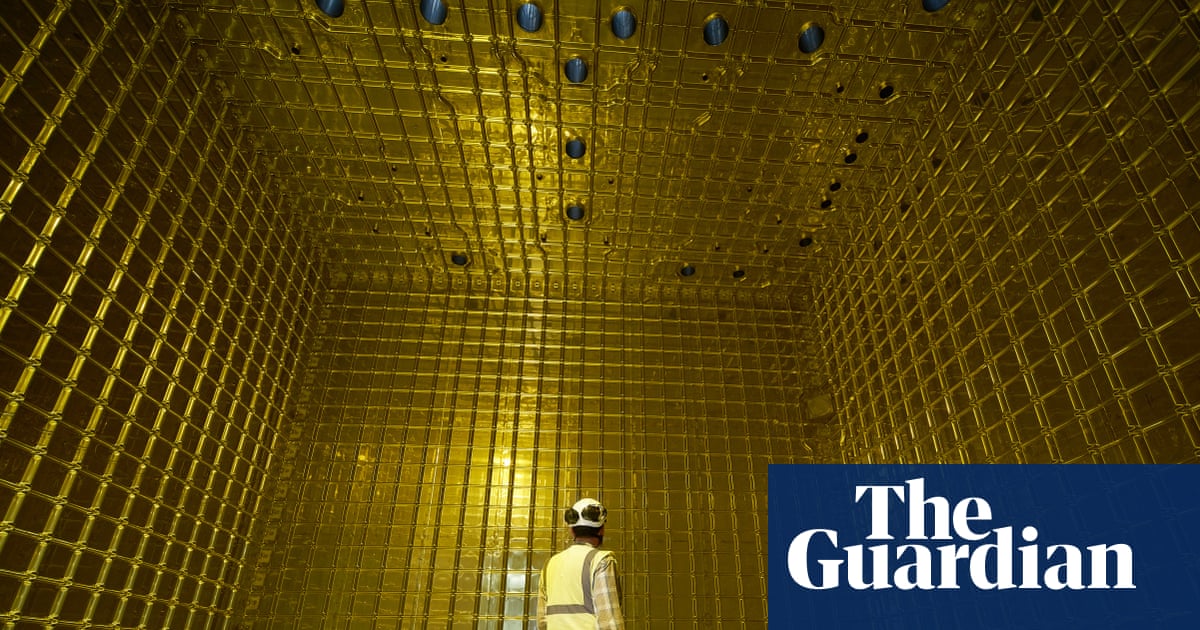
From gold rush to cosmic questions: a South Dakota mine and the search for the secrets of the universe
A mile beneath the Black Hills, scientists are building giant detectors to analyse neutrino particles – and possibly find the answer to existence
Vredefort, Chicxulub, and Sudbury: 3 ancient asteroid impact craters
Vredefort, Chicxulub, and Sudbury Basin mark ancient strikes tied to global fires, years of blocked sunlight, and today’s nickel and iron mines.
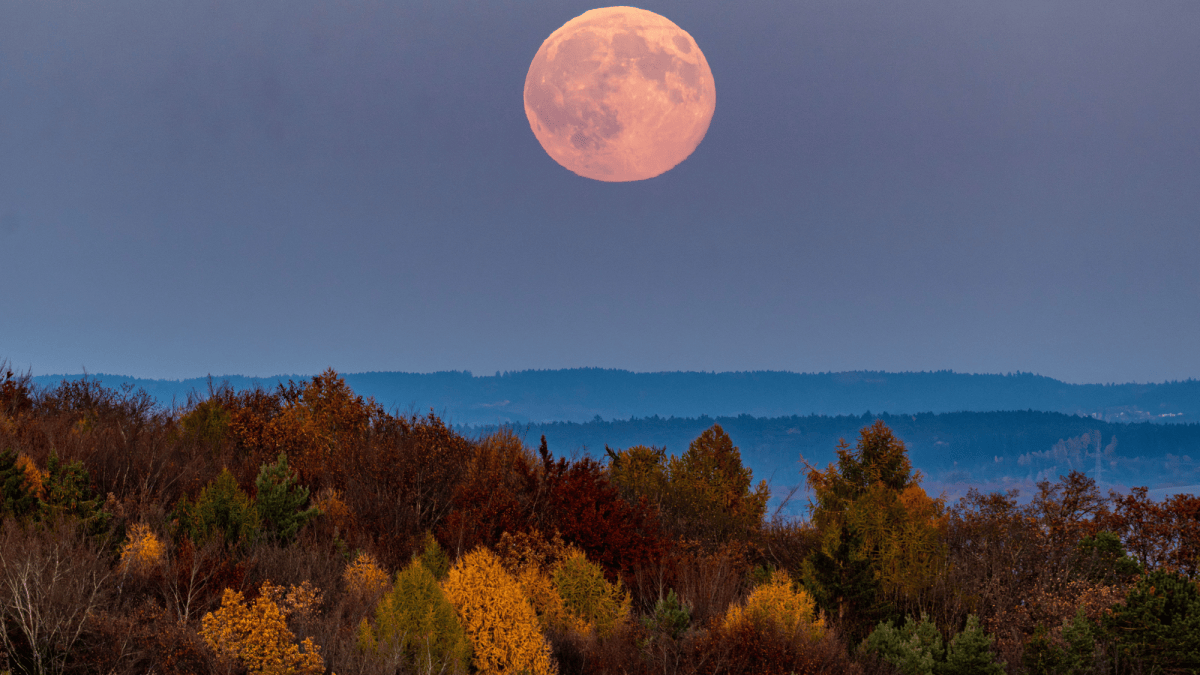
November skygazing: Planetary alignments, a supermoon, comet, and more
The Full Beaver Supermoon rises on November 24.
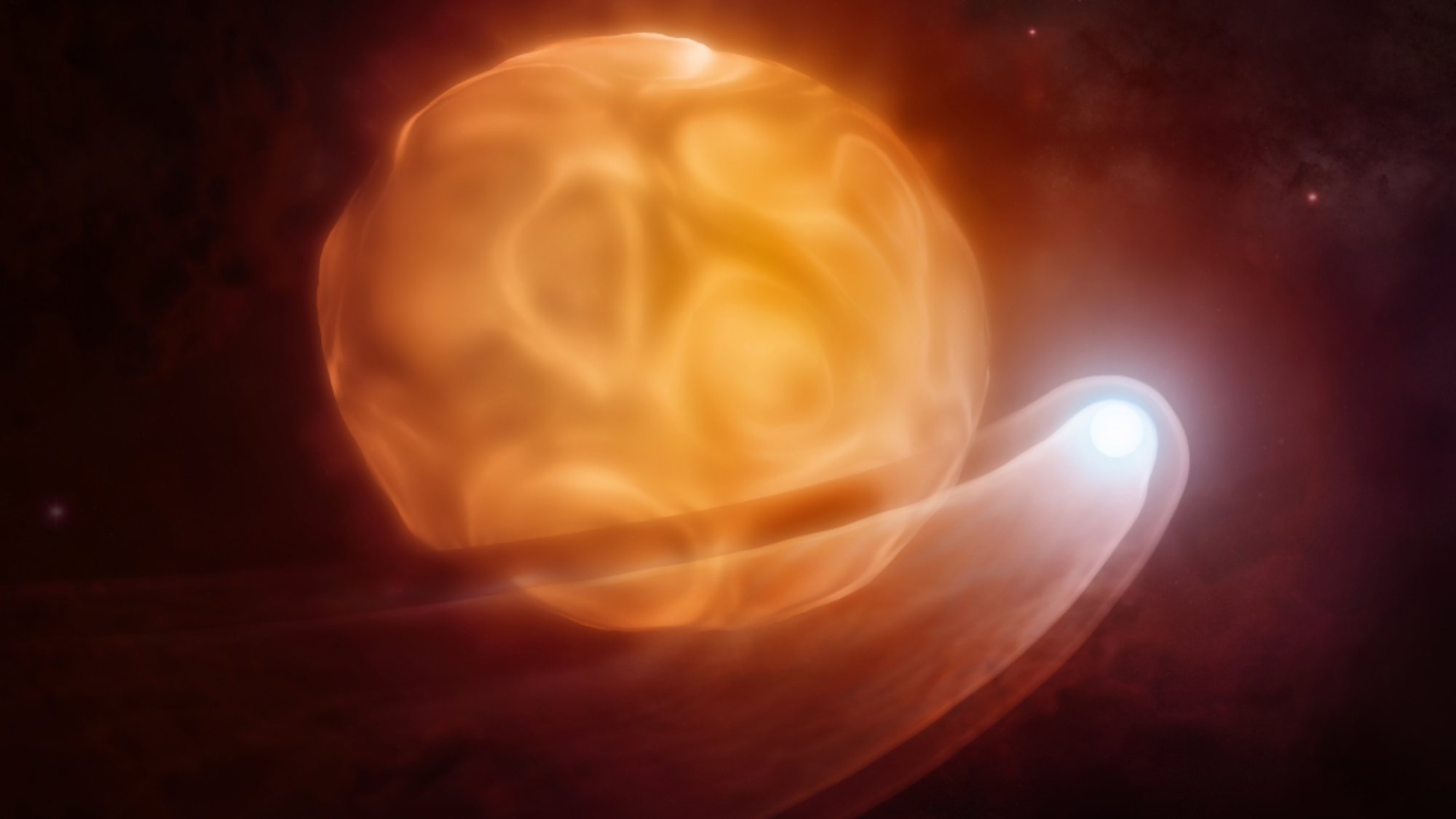
Betelgeuse is haunted by a cosmic poltergeist tormenting the doomed star's atmosphere
“This companion is orbiting so close to the star that it actually passes through its extended atmosphere.”
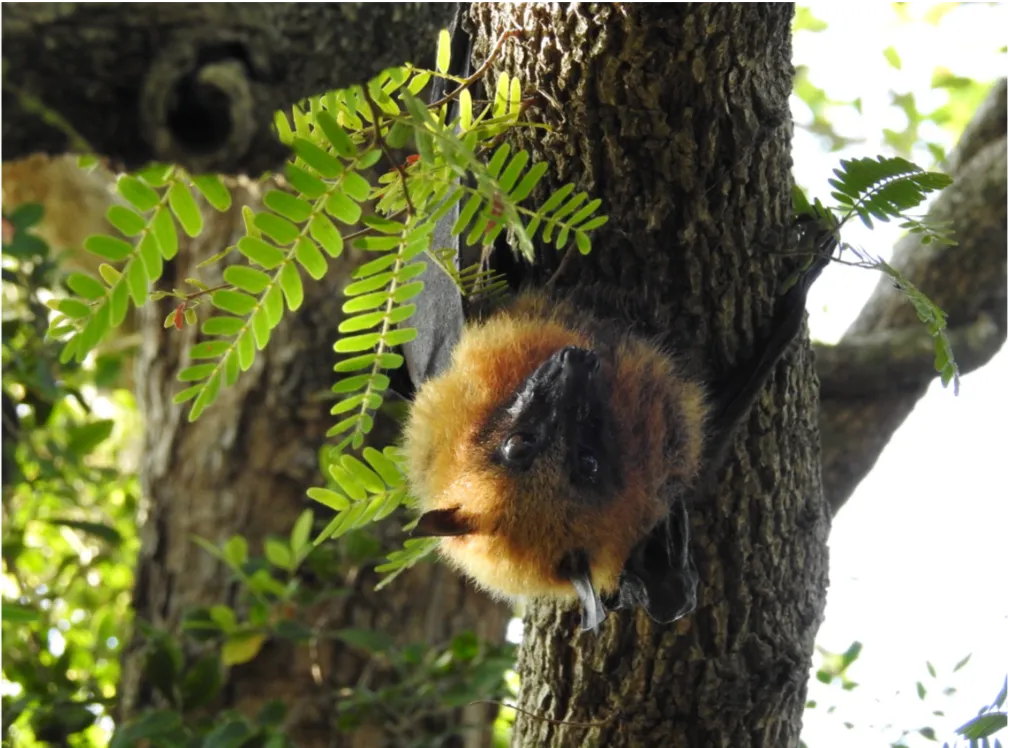
Madagascar's Giant Bats Seem to Be Shrinking. After Measuring 121 Specimens, Scientists Suggest Hunting by Humans Is to Blame
In a new study, researchers looked at museum specimens of the island’s flying foxes, spanning 150 years of history. They found a significant decline in size—right when commercial hunting ramped up
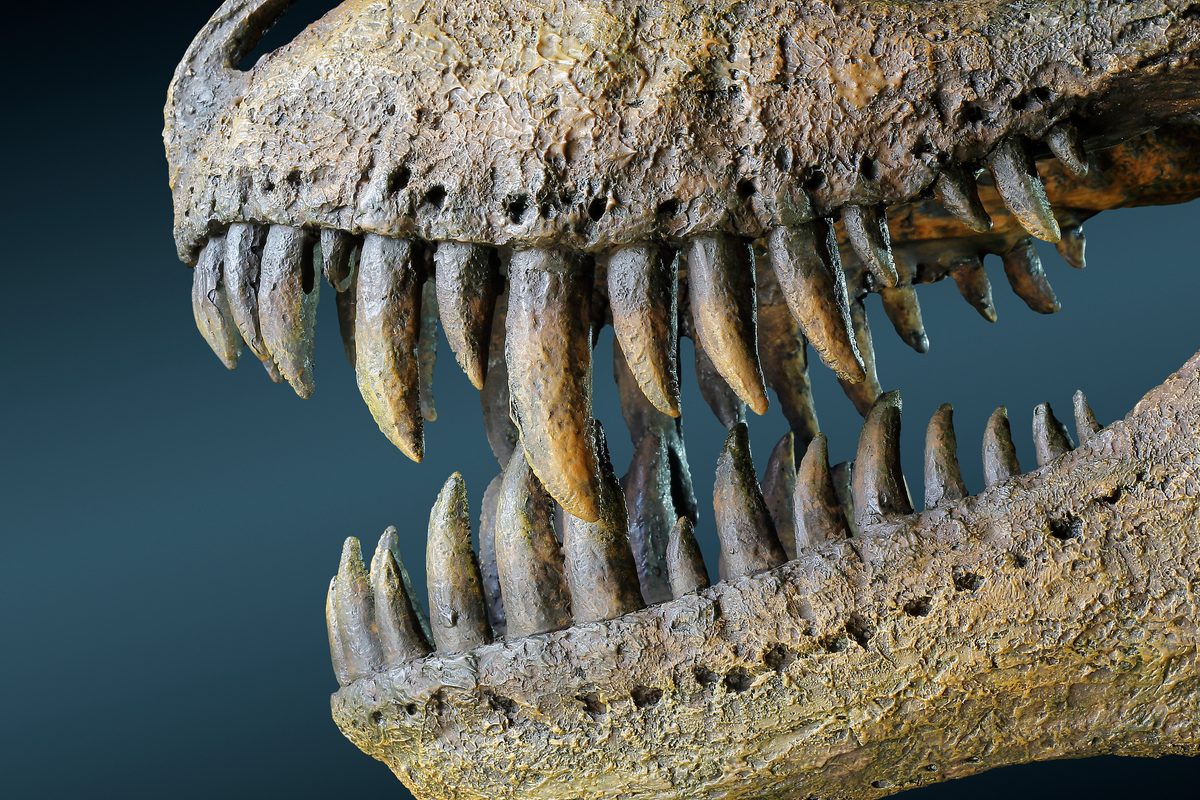
"It's considered the largest and most ferocious terrestrial predator that has ever lived…" 10 deadliest predators that ever lived | Discover Wildlife
These extinct killing machines are reason enough not to invent time travel…
10 animals with freaky, spooky skeletons that glow – except for one with jet-black bones | Discover Wildlife
A bone to pick – meet the animals with spectacularly colourful skeletons
Halloween night sky 2026 — Saturn, shooting stars and a space station await US stargazers
From Saturn’s spectacular rings to Halloween fireballs and a space station flyover, there are plenty of celestial treats in store this Halloween. Here’s when and where to look.
How Often Do ‘Zombie’ Stars Eat Their Own Planets? A Spooky Green Star Provides a Clue.
Planet-eating is surprisingly common among stars, even after death.
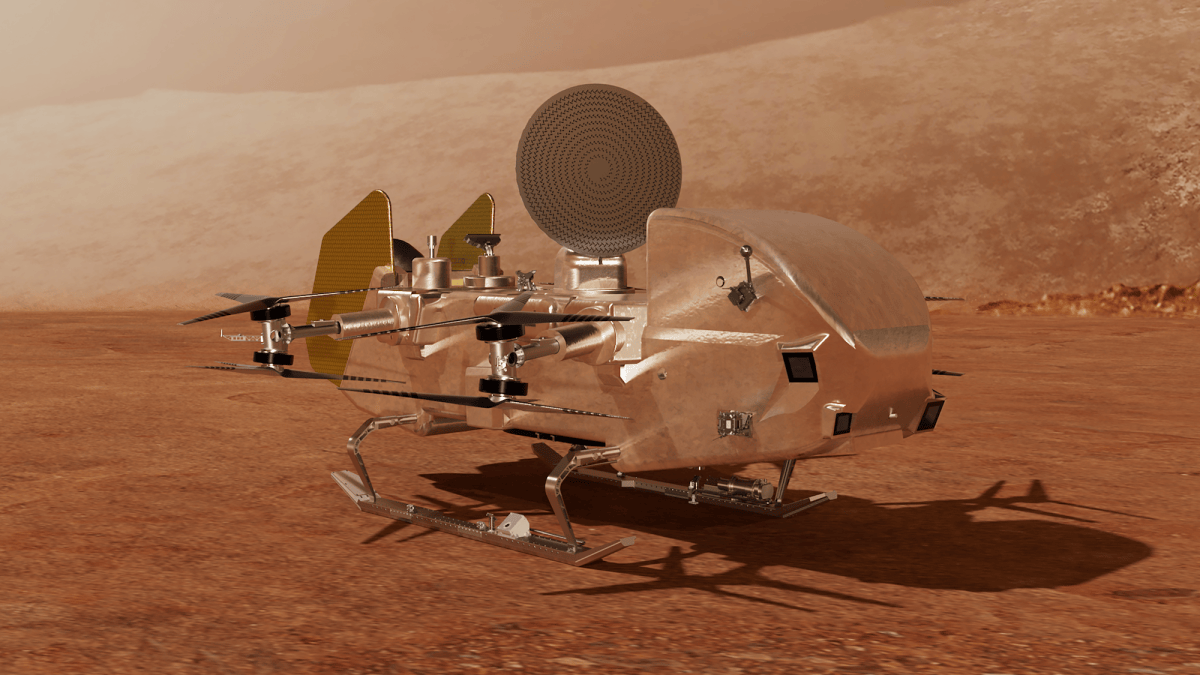
Send your name to Saturn's largest moon
NASA’s mission to search for life’s building blocks on Titan is scheduled for 2028.
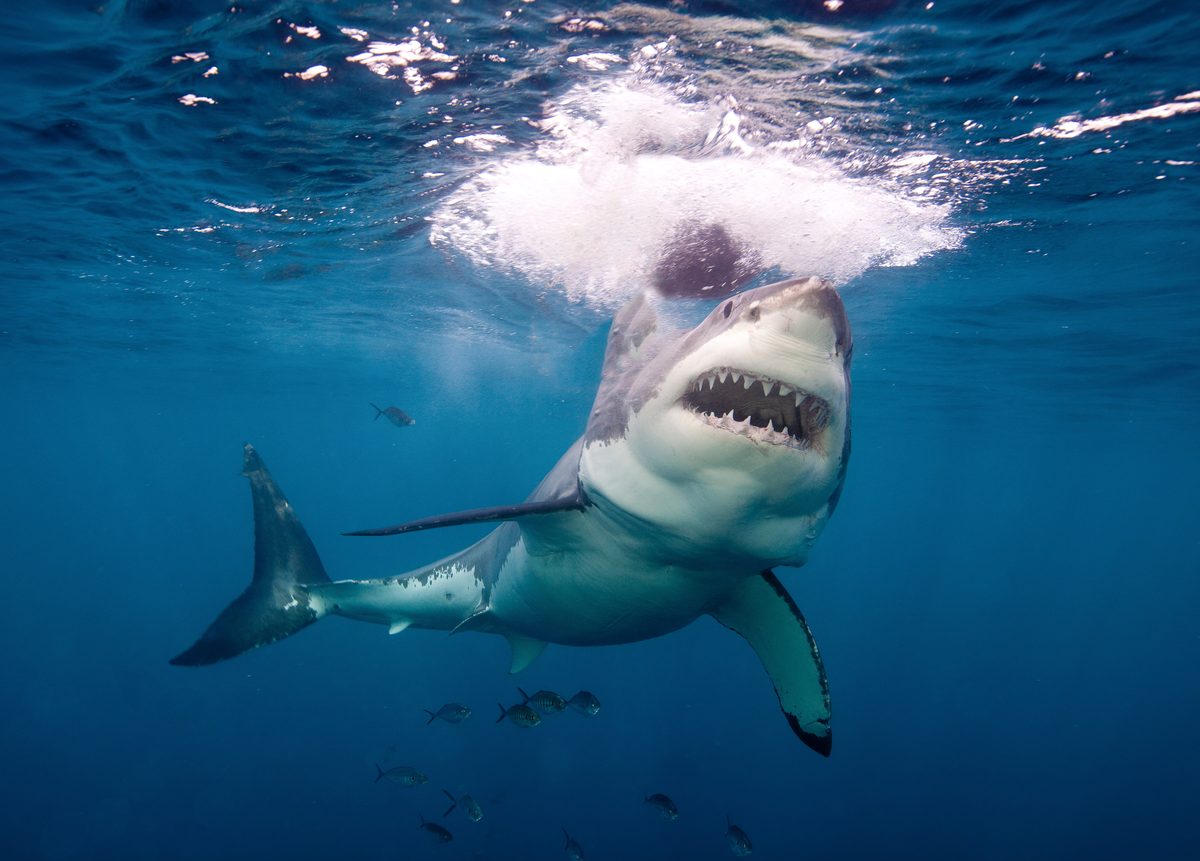
Terrifying close-up footage shows deadly great white shark stalks a lone, vulnerable spear fisherman deep in the ocean | Discover Wildlife
Incredible footage shows the moment a lone spearfisher encounters a great white off Sydney, Australia.
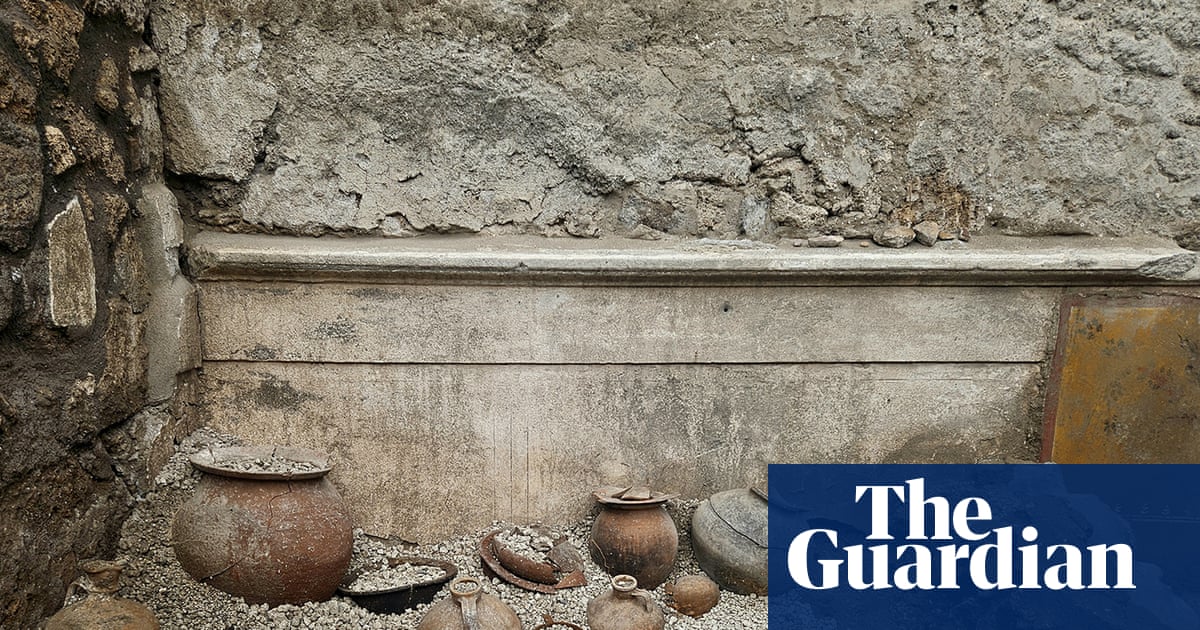
Perfume bottle and child’s necklace among treasures found in Pompeii wardrobe
Archaeologists uncover jewellery, cosmetics and coins in cabinet sealed since eruption of Mount Vesuvius in AD79
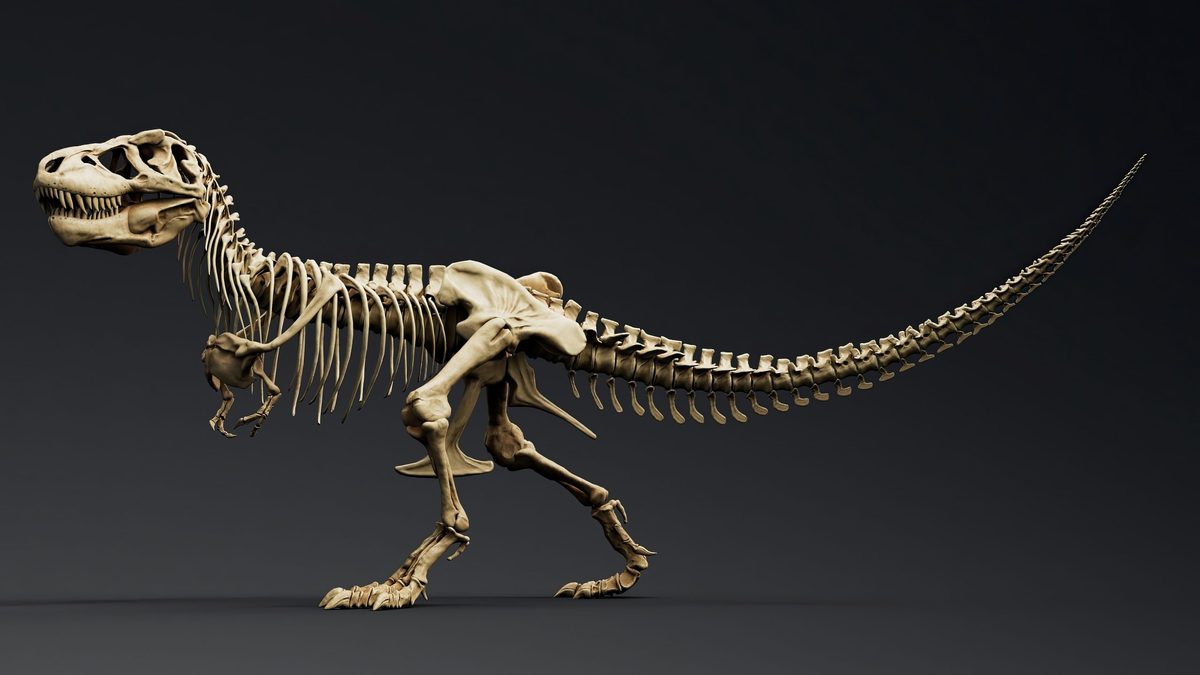
The discovery of this incredible dinosaur involved the FBI and resulted in a scientist being sentenced to prison | Discover Wildlife
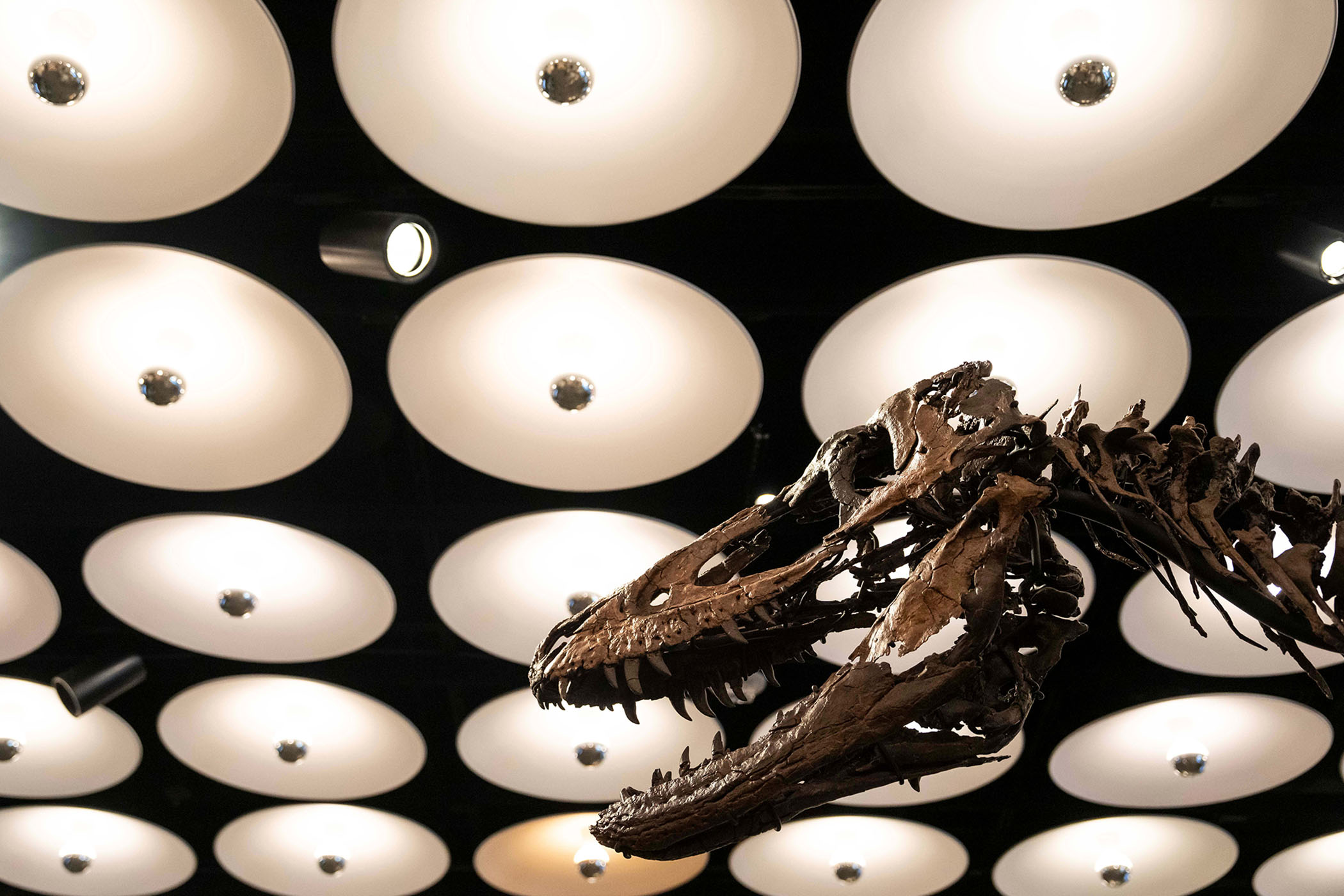
The discovery of a nearly complete T.rex known as ‘Sue’ came at a high price, in more ways than one…
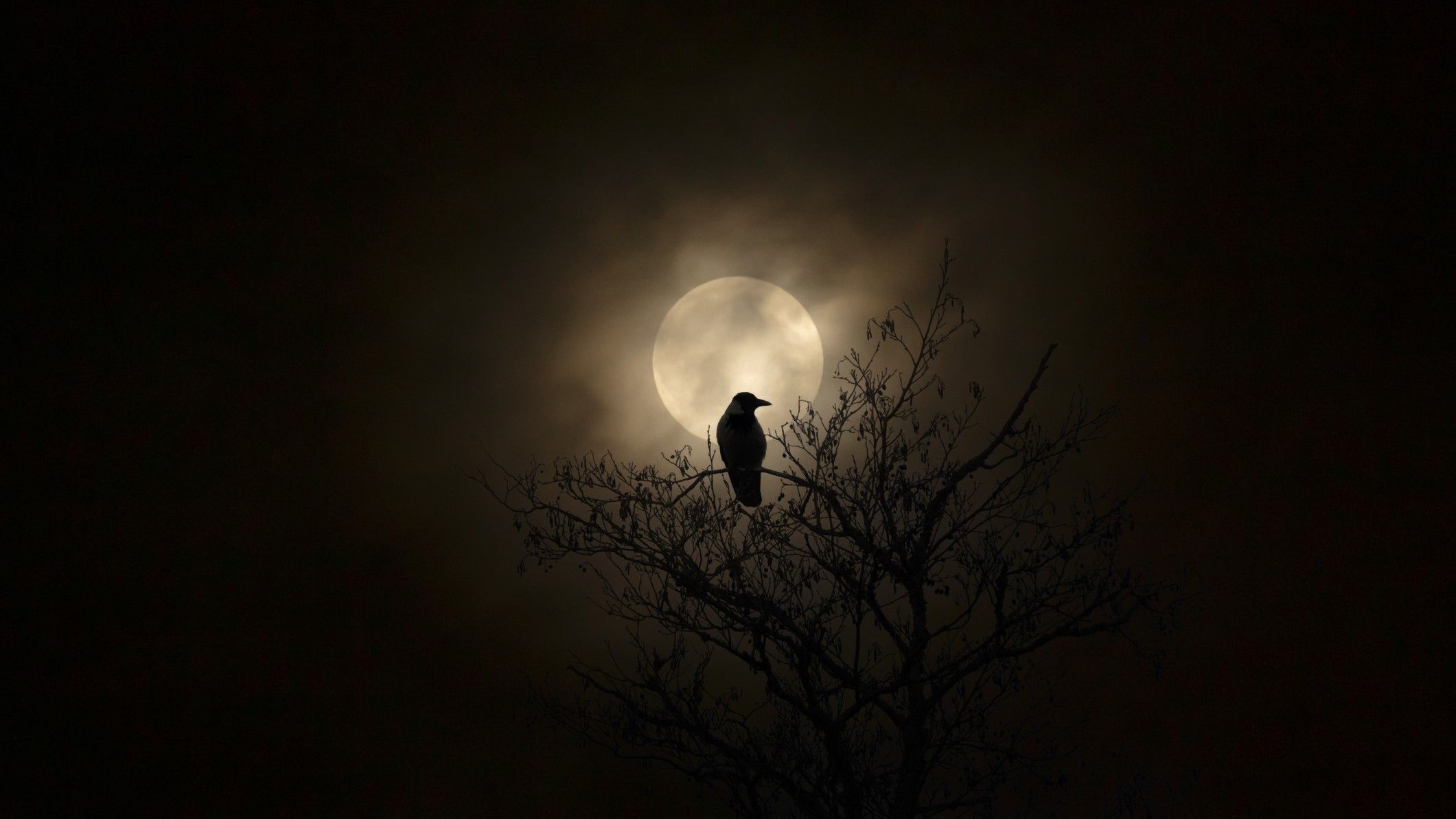
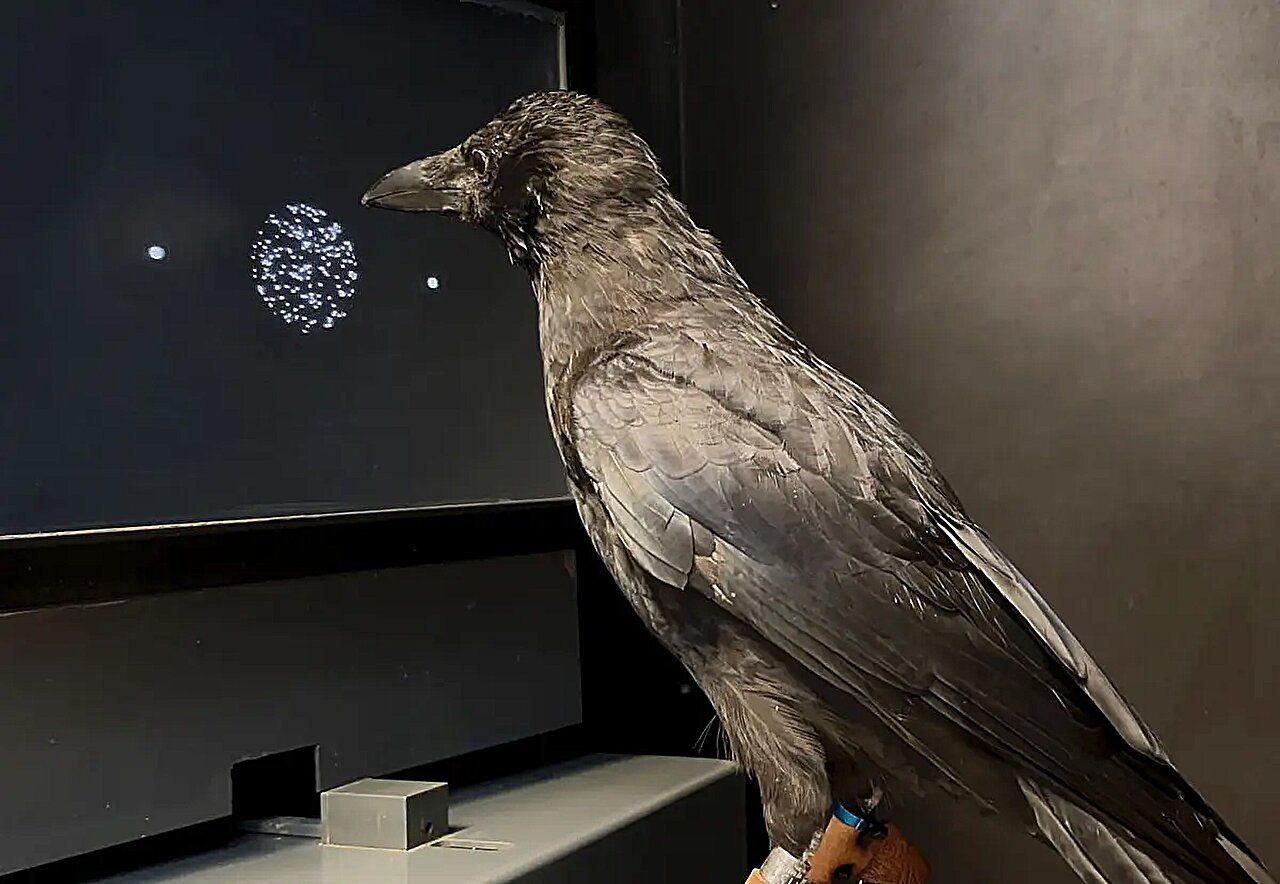
Crows Can Make Decisions Based on Visual Information at Lightning Speed—Roughly Twice as Fast as Humans Can, Study Suggests
Even though the brain structures of birds and mammals are different, a new study suggests that crows and primates have similar decision-making nerve cell circuitry
Boo! See the universe’s spookiest sights in time for Halloween
From ghosts to skeletons and even spiders, the cosmos is full of scary surprises
We Were Totally Wrong About How Life on Earth Started, Study Suggests
The idea that the building blocks for life were delivered to Earth by comets just received a major setback.
Analysts find looming launch crisis is "more severe" than anticipated
There’s no evidence that Starship will launch traditional satellites, either.
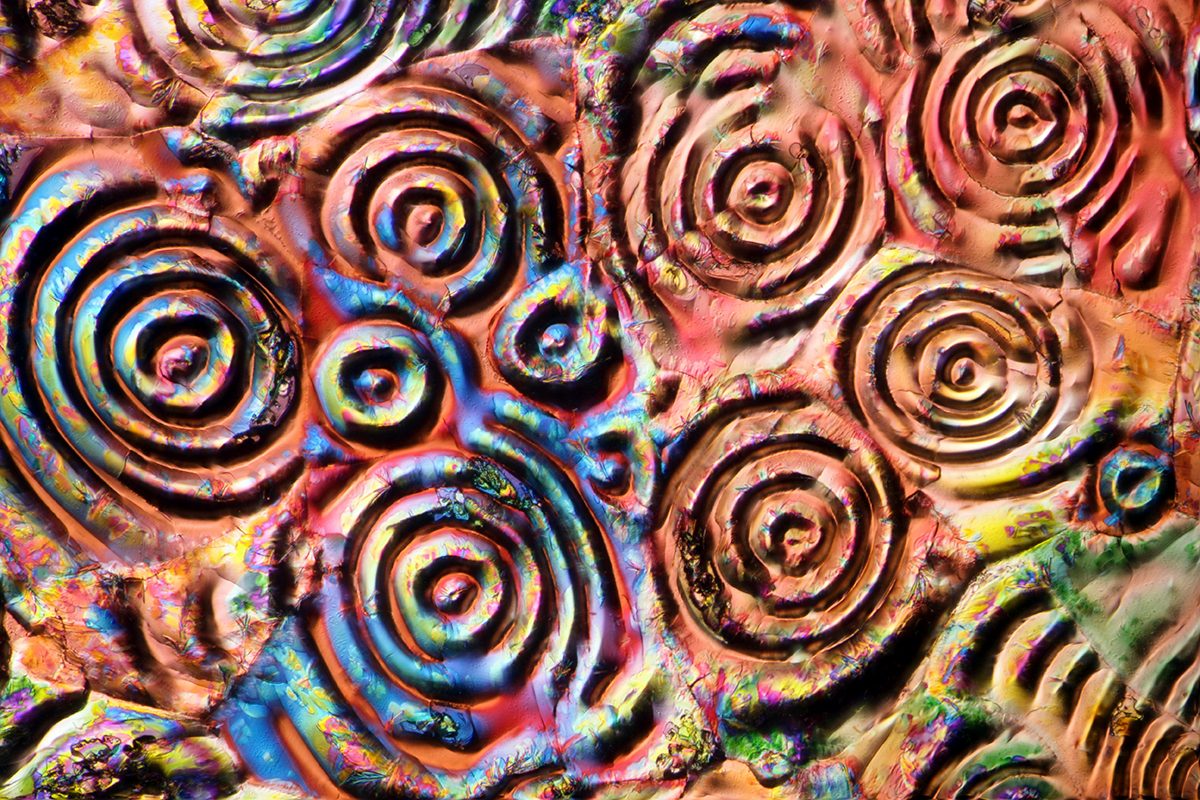
These might be the nine best science photos from the past 30 years | BBC Science Focus Magazine
The Wellcome Trust celebrates 30 years of awe-inspiring images at the forefront of science and health
Vanishing Antarctic Sea Ice May Upend Global Climate
New research shows that the ocean’s freshwater engine is growing saltier, with global consequences.
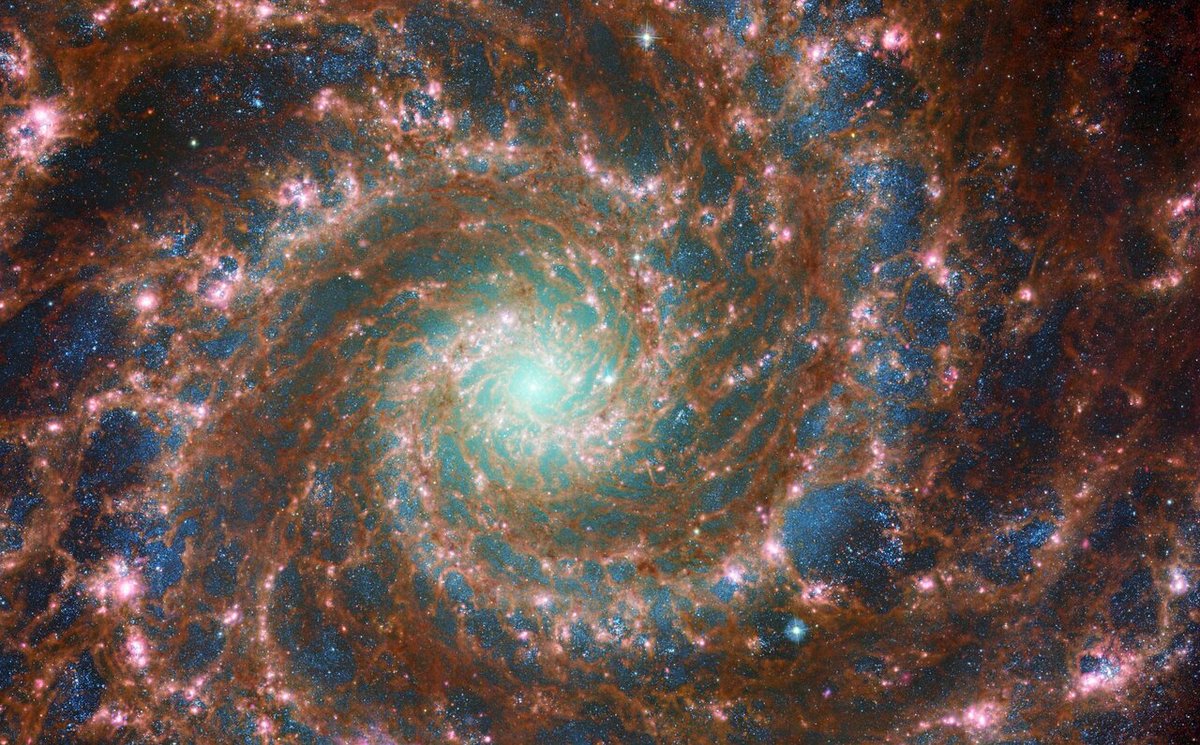
Experts have discovered a cosmic paradox that could double the Universe's age | BBC Science Focus Magazine
How old is the Universe?
Scientists map a distant planet’s atmosphere for the first time – and it’s lopsided
A new method reveals the skewed shape of a distant planet’s atmosphere.
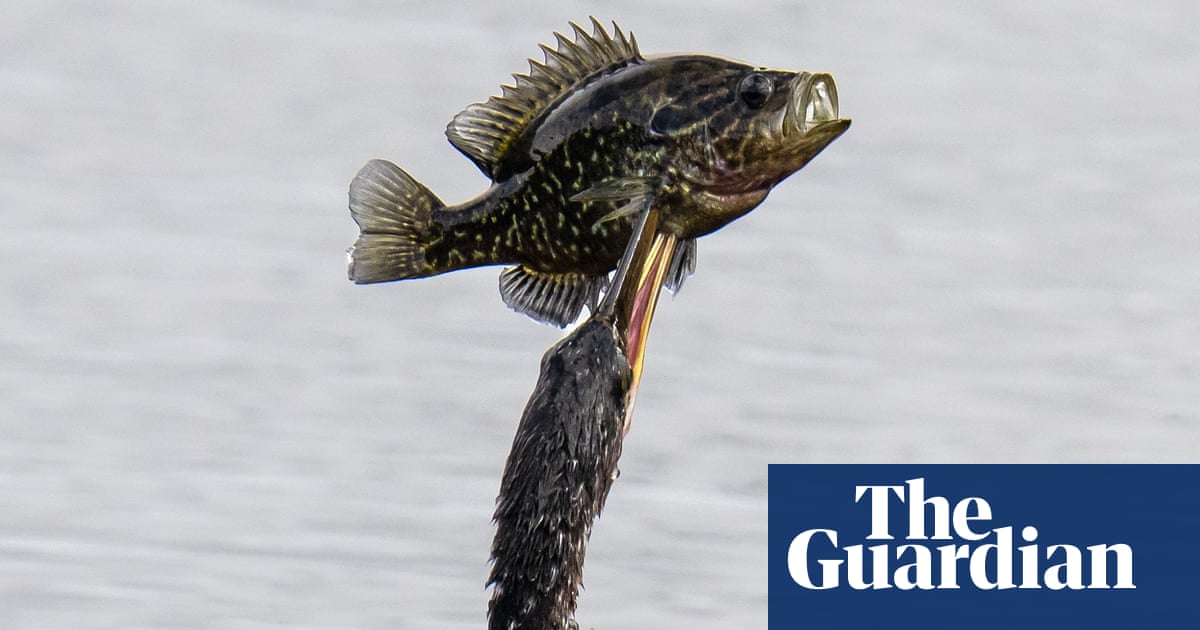
Week in wildlife: a fishing anhinga, a northern nutcracker and cuddling seals
This week’s best wildlife photographs from around the world
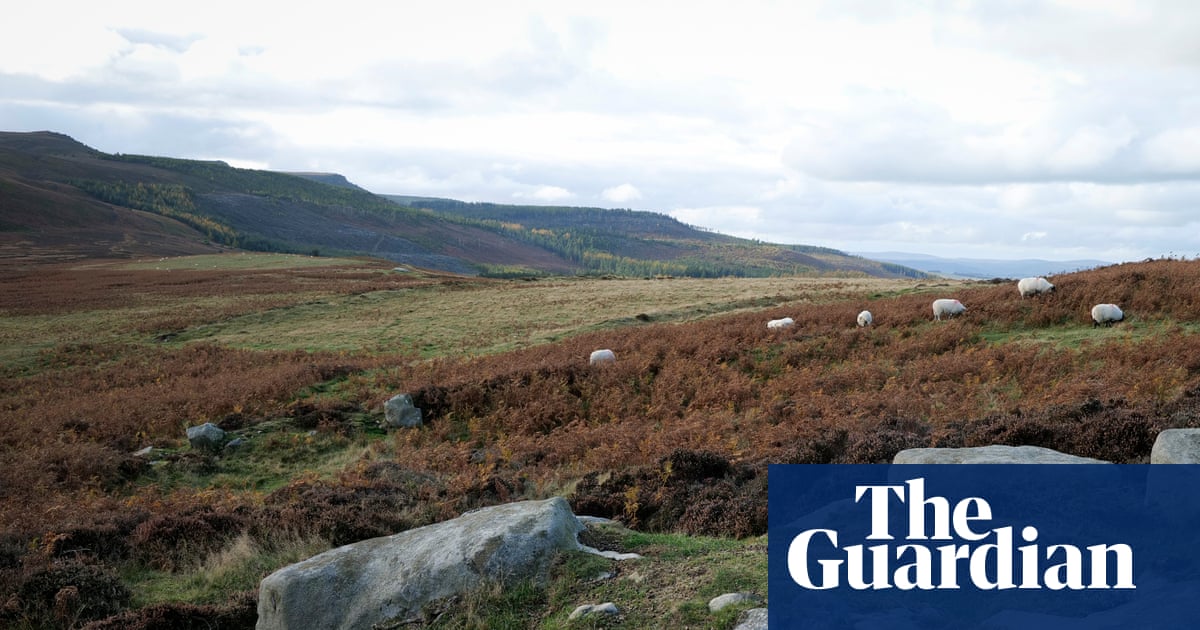
Wildlife Trusts hit £30m target to buy and rewild huge Northumberland estate
About 25,000 members of public chip in £17m towards 3,800-hectare Rothbury estate, described as ‘once-in-a-generation opportunity’
‘Significant milestone’ as golden eagle chick fledges from grouse moor | ITV News
Beaky Junior is one of five golden eagles successfully fledged in southern Scotland this year. | ITV National News
Can you guess which animal this is in less than 16 seconds? | Discover Wildlife
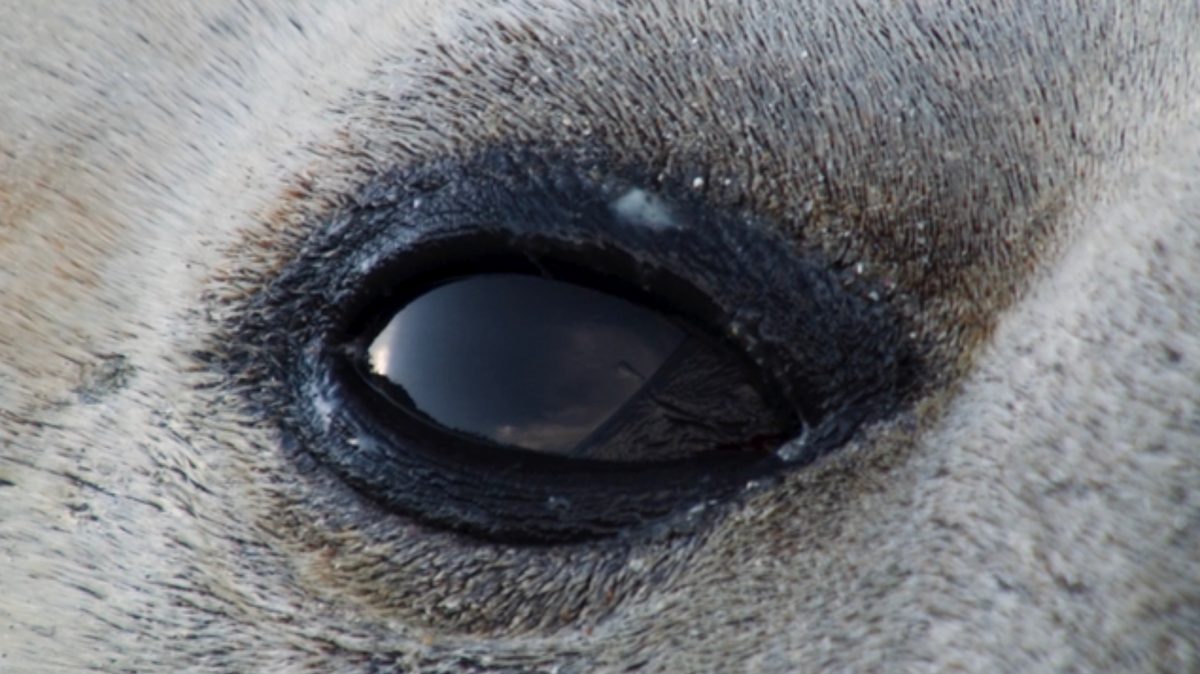
This is a close-up video of an animal – can you guess which one?
This diver was exploring a remote seabed off Western Australia when he stumbled upon a “harrowing yet strangely beautiful” site | Discover Wildlife
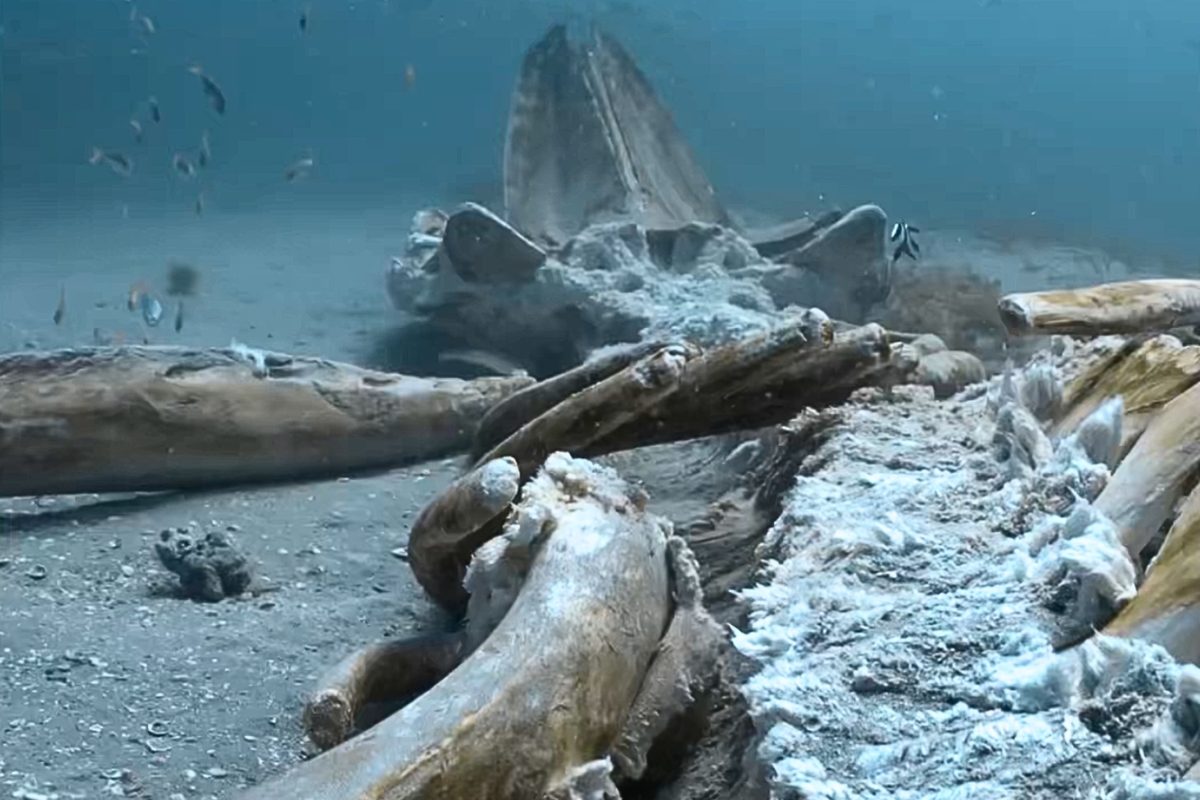
The underwater photographer found an enormous skeleton – and thinks he knows how the animal died.
A 13th-Century Castle Was Lost to Time Until Archaeologists Found It—Inside Another Castle
What remained of Roebuck Castle after 800 years were found hiding in plain sight under its Victorian trappings.
Dinosaur fossils are the new status symbol for the ultrarich
Palaeontologists fear that important finds are being lost to science
Water ice does something strange under the crushing pressure of distant planets
Water under pressure a million times that of a car tire lost its cubic symmetry, and the result points to the insides of Uranus and Neptune.
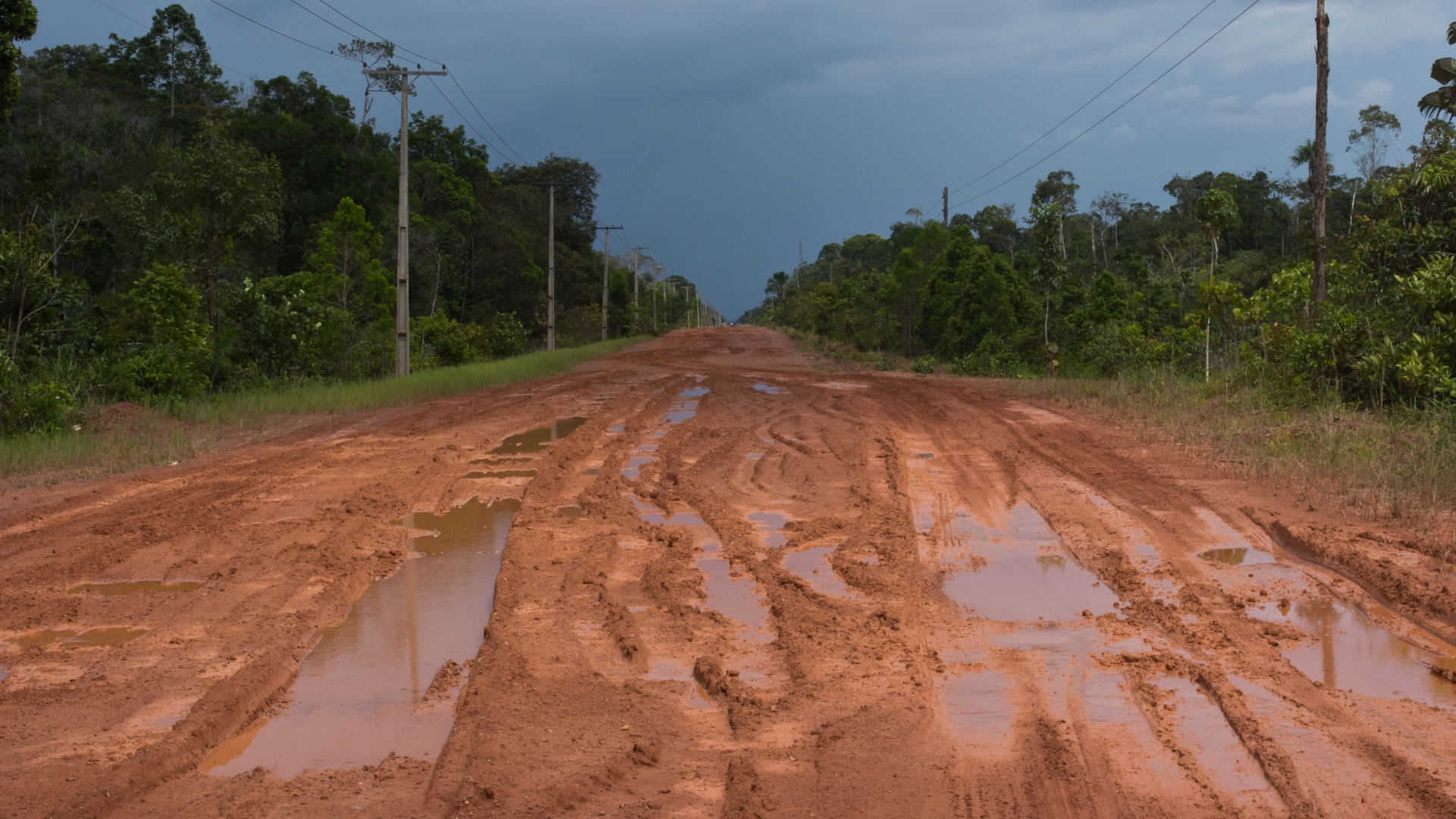
Could an Amazonian Highway Open a Pandora’s Box of Pathogens?
The revival of a 550-mile road in the South American rainforest is raising biosecurity concerns among scientists.
A mysterious grey blob – the size of France – floating on the ocean's surface led scientists to make several exciting discoveries | Discover Wildlife
After a volcanic eruption a mysterious blob on the ocean’s surface appeared, an enormous grey-brown slick and it was spreading.